


Building an Eternal Dynasties Army with Highlands Miniatures
September 7, 2026
New Fantasy Releases: Norse Huscarls and Primordial Herd Vol. III
September 15, 2026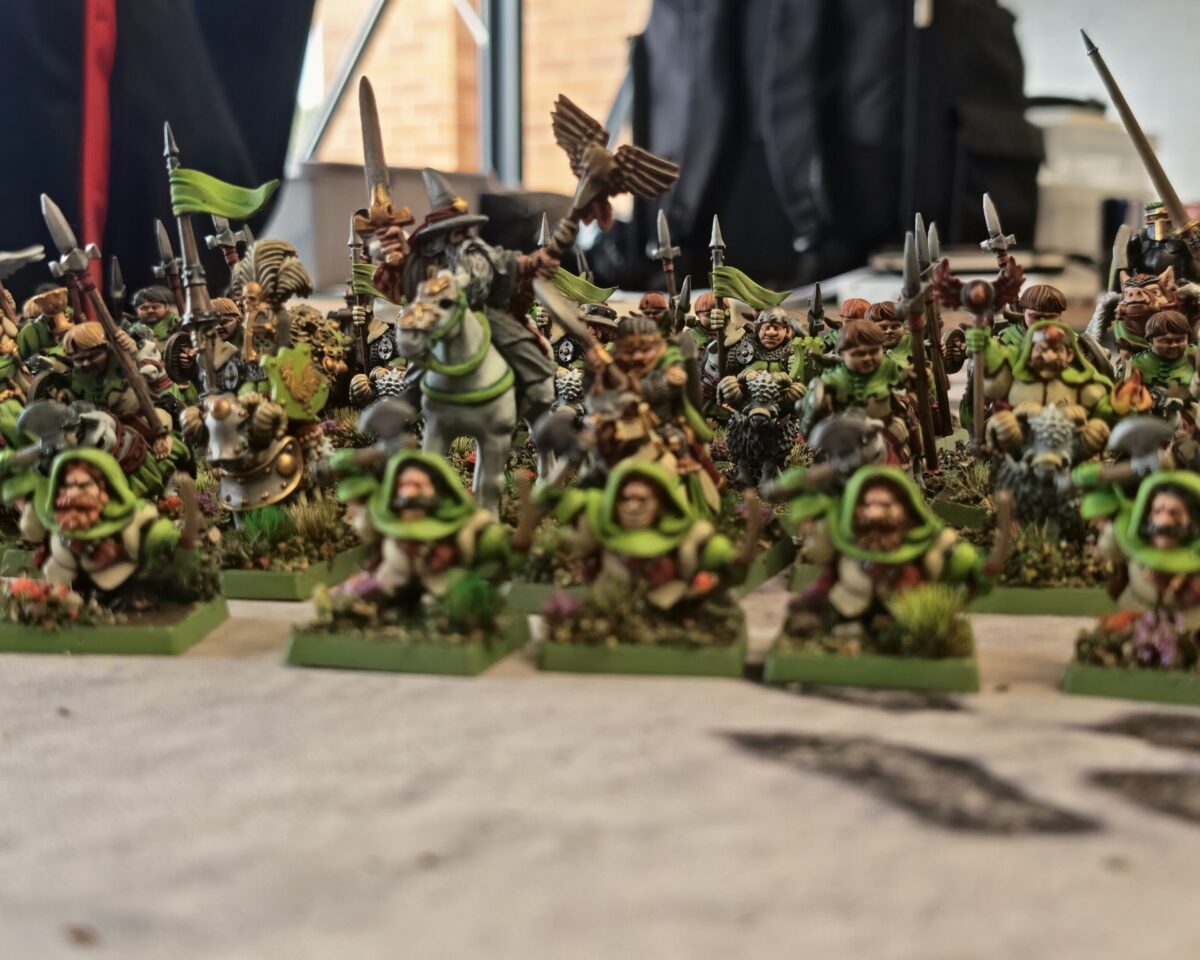
With the World Team Championship getting very close, this weekend was another chance to get games in with the army I’ll be taking to Spain.
For me, tournament preparation isn’t really about playing as many games as physically possible. It’s about reaching the point where I know the army well enough that I’m not wasting mental energy on things I should already know.
That means knowing the stats. Knowing the spells. Knowing the awkward rules interactions. Knowing what the army can survive, and more importantly, what it absolutely cannot.
A proper practice day is where you try to expose those weaknesses before a tournament does it for you.
I start building the list as soon as the pack arrives
Once an event pack is released, I start thinking about the army almost immediately.
That doesn’t mean I lock a list on day one. Early on I’ll change things, try different combinations and see what actually works on the table.
But roughly a month before a major event, I want the list basically finished.
One of the easiest traps in tournament gaming is changing the army every time you lose.
You have a bad game against something, decide one unit is useless, change three things, then discover that the new version has created another problem somewhere else.
At some point you need to stop reacting to individual results and actually learn the army you’ve chosen.
A slightly less optimised list that you know inside out is often far more useful than the theoretically perfect list that you’re still trying to understand.
Play full games first
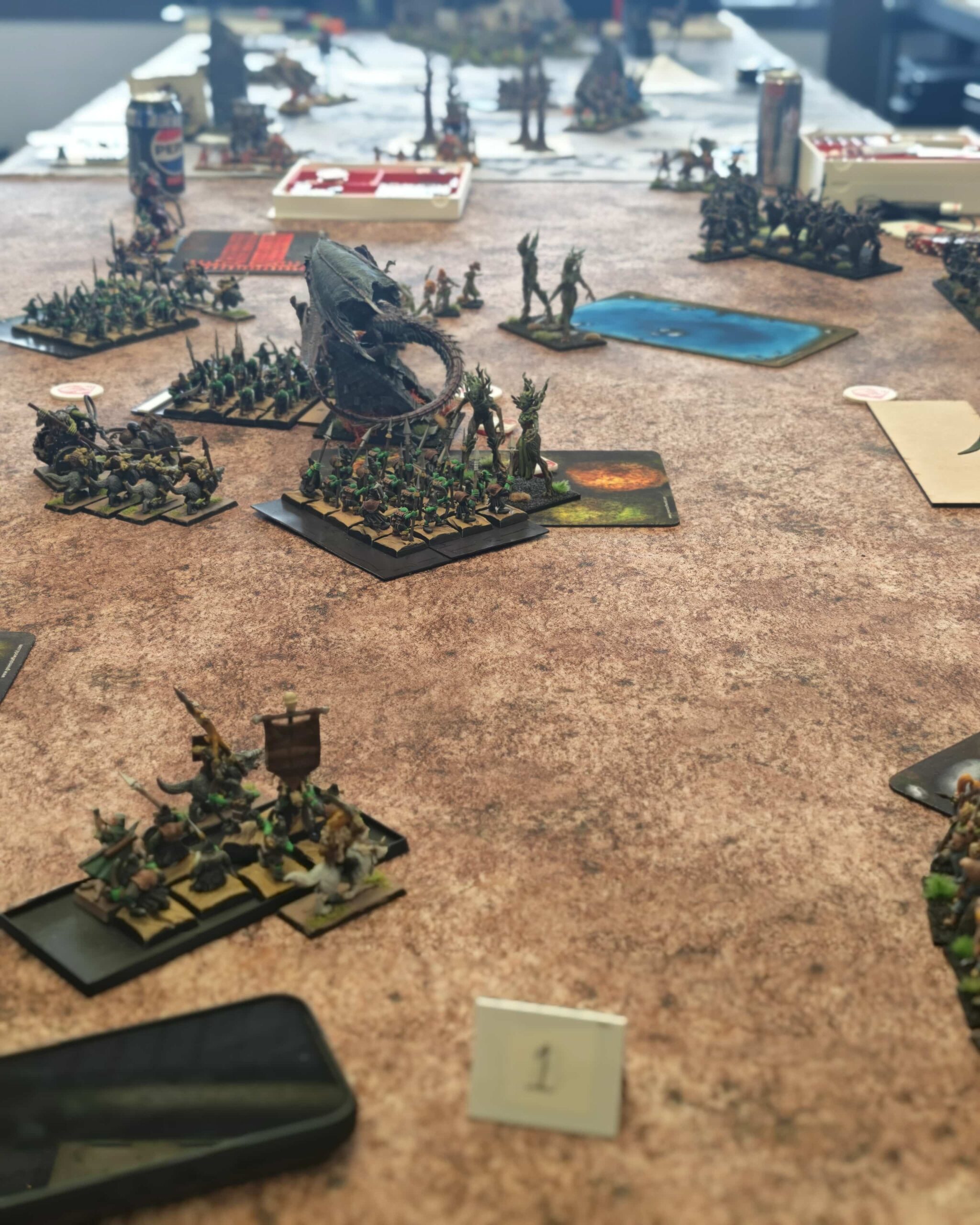
Early practice should be real games.
Normal deployment. Normal scenarios. Normal opponents trying to beat you.
That teaches you how the army actually functions rather than how you imagine it functions while staring at an army builder.
You learn things like:
- how much space units really need;
- which units get in each other’s way;
- where your characters actually want to be;
- how quickly your battle plan falls apart when the opponent does something inconvenient;
- which rules you keep having to look up.
That last one matters more than people think.
Every rule I have to stop and check during practice is something I want committed to memory before the event.
Then start practising things going wrong
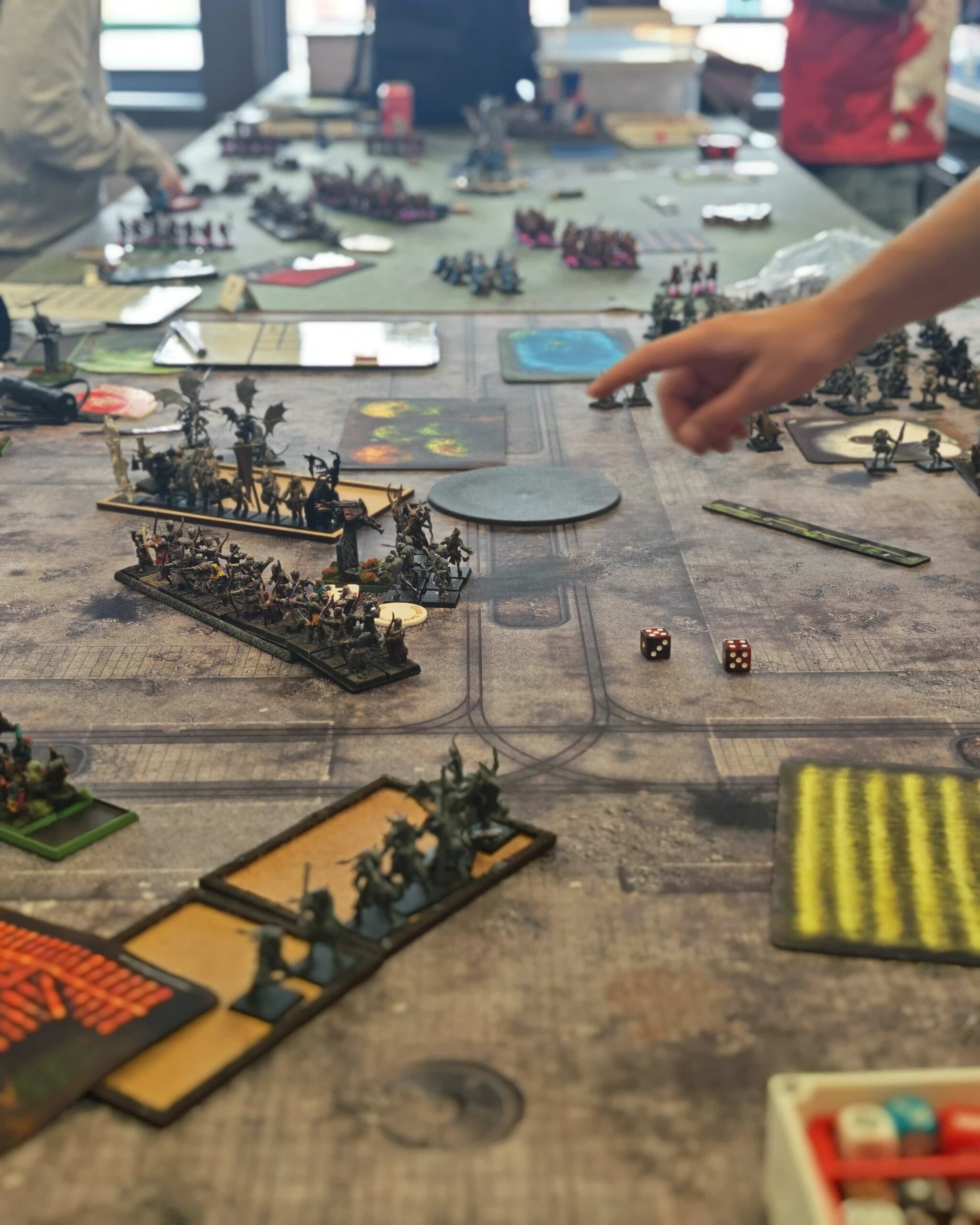
Once I’m comfortable with the army, I stop trying to create ideal practice games.
I want bad situations.
If I’m practising against artillery, for example, I might give the opponent first turn and effectively assume my cannons misfire.
The point isn’t to create a fair game.
The point is to ask:
What do I do when the thing I was relying on doesn’t work?
Tournament games go wrong.
You fail charges. Your magic does nothing. A key unit disappears. You get the wrong matchup. The opponent gets first turn when you really didn’t want them to.
If you’ve only practised your army when everything works, you haven’t really practised it.
Know what a good result actually is
This becomes even more important at a team event.
A team tournament is not eight people playing eight individual tournaments next to each other.
Sometimes your job is to win heavily.
Sometimes your job is simply not to lose heavily.
And occasionally your contribution to the team is spending three hours being thrown underneath a bus.
Three cheers for diving under the bus.
Pairings completely change how you evaluate a game. A narrow loss into a horrible matchup can be an excellent result if it lets somebody else on the team get the game they need.
That requires a different mentality from singles events, where you’re naturally trying to maximise your own score every round.
Every point matters.
The army itself matters too
I probably spend somewhere around 50 hours getting an army ready for an event like this.
I’m never going to pretend I’m the best painter in the room, so for me the important thing is making the army look coherent.
A strong theme and good basing do an enormous amount of work.
Good basing can distract from a multitude of painting sins.
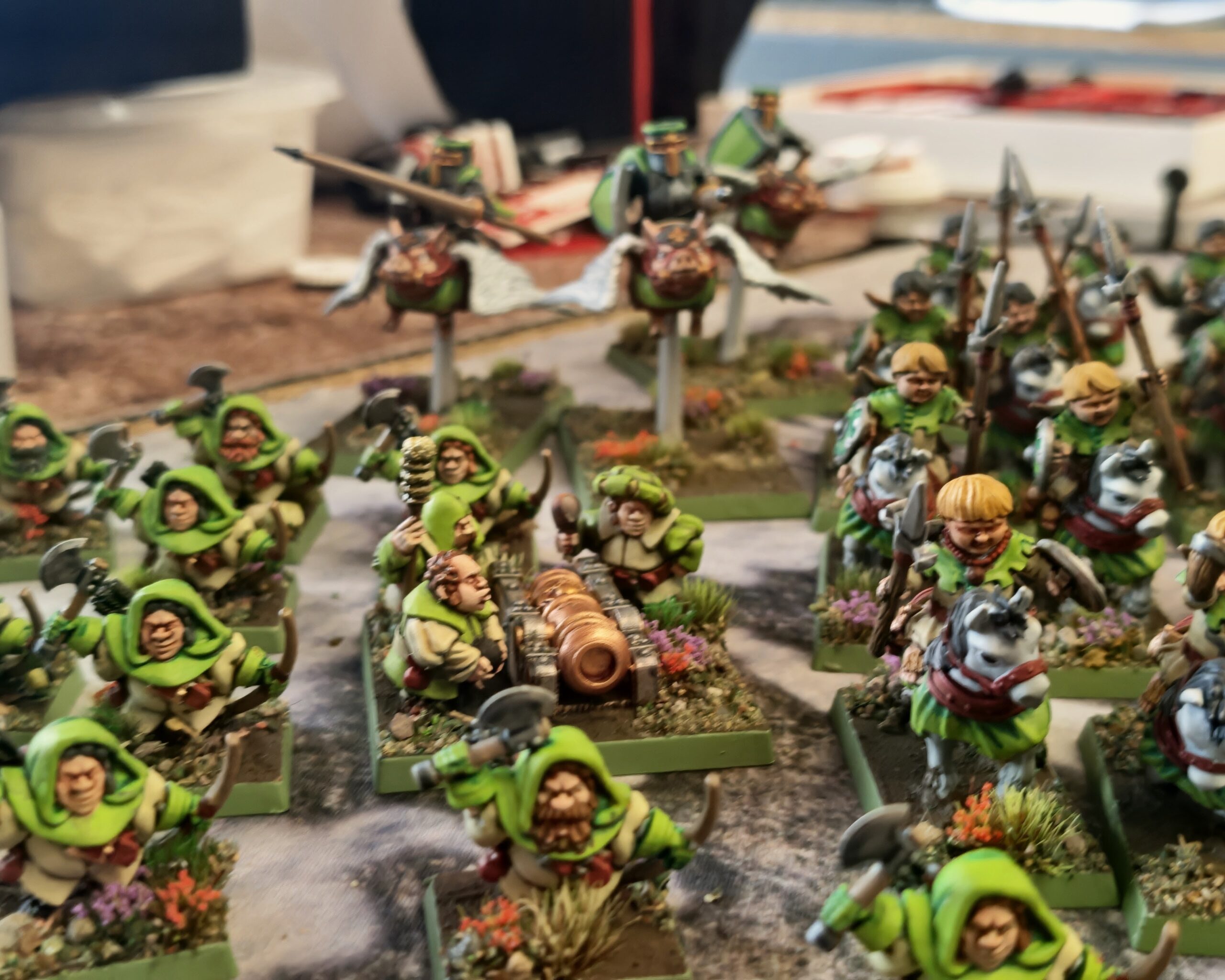
For this army I’ve gone with a deliberately old-school look: bright greens, Goblin Green-style base rims, mud, grass and flowers. I wanted the whole thing to look like a proper fantasy army rather than a collection of unrelated models.
The army itself is a mixture of manufacturers rather than one range — mainly MaxMini and MoM Miniatures, with one very old Games Workshop model still hanging around in there.
I actually like that. If everything is painted and based consistently, models from different ranges can work together remarkably well.
Make the practical stuff boring
The other side of tournament preparation is all the stuff that has nothing to do with winning games.
Every model in my army is magnetised.
I use MiniMagTray transport and proper magnetic bases, and I want everything tested before travelling rather than discovering at the airport that something doesn’t hold properly.
I also carry:
- spare glue;
- repair materials;
- tokens and markers;
- spell and reference cards;
- matching dice;
- a proper builder’s tape measure.
There will inevitably still be some ridiculous repair job happening the night before the event, because this is tabletop gaming and apparently that is the law.
But the goal is to remove as many avoidable problems as possible.
You should be thinking about the game at the table, not whether your unit tray works.
Practice confidence, not just decisions
One of my own weaknesses is analysis paralysis.
It is very easy, especially when preparing for a big tournament, to convince yourself that every decision needs another twenty minutes of thought.
Eventually that becomes counterproductive.
Practice is partly about getting enough repetitions that decisions start becoming instinctive.
You know roughly what a unit can do.
You know which fights you want.
You know which fights you absolutely do not want.
You know when you need to play aggressively and when the sensible move is to accept the points you already have.
By the time I arrive at a major event, that’s where I want to be.
Not convinced that my army is unbeatable.
Just confident that I understand what it does.
The last few weeks
With WTC now very close, I’m not looking to reinvent the army.
The list is the list.
The models are painted.
The remaining work is repetition, checking the awkward situations, making sure the army travels safely and trying not to discover a catastrophic rules misunderstanding two days before flying to Spain.
Practice days like this are less about proving that the list works and more about finding the cracks while there is still time to do something about them.
Because when the actual tournament starts, it is a little late to begin learning your army.
