

Starting Small in Warhammer: The Old World – Building a 400–750 Point Army
September 4, 2026
Building an Eternal Dynasties Army with Highlands Miniatures
September 7, 2026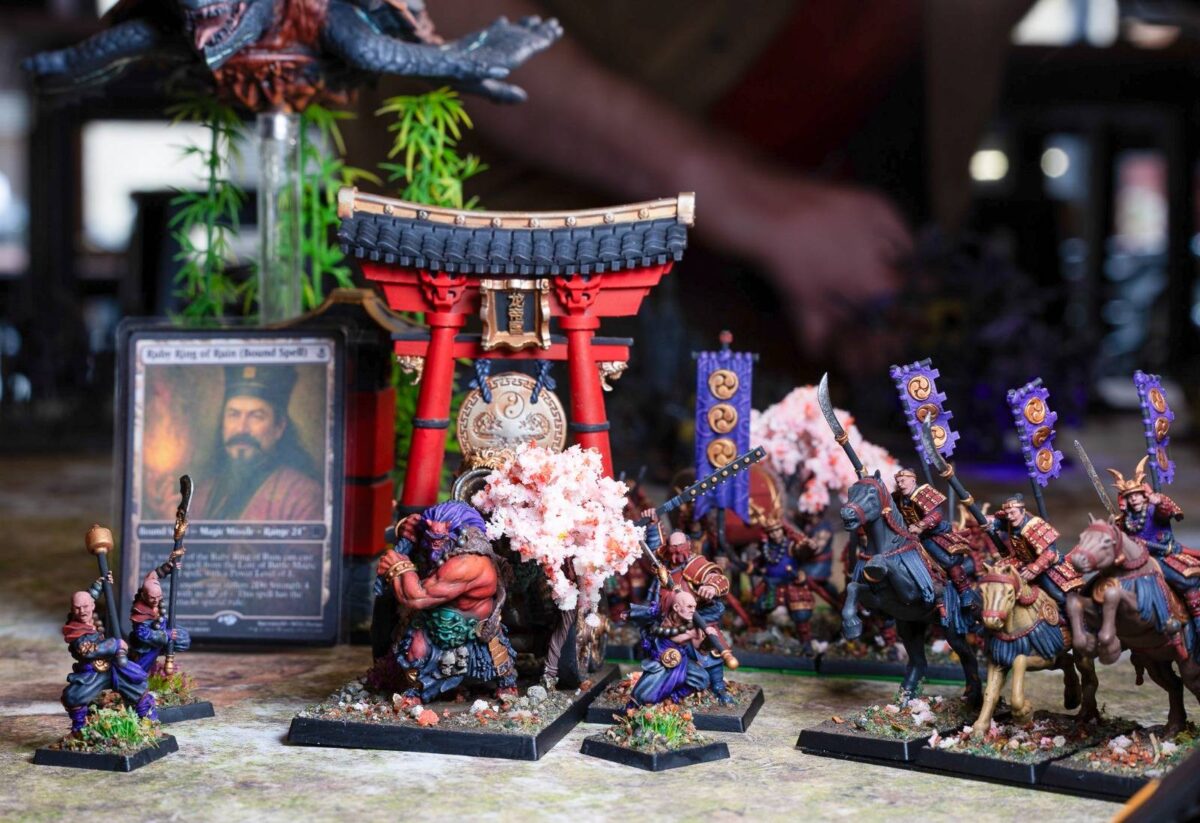
One of the best things about Warhammer: The Old World is seeing armies return to the table.
Some are collections that have been sitting in boxes for twenty years. Others are completely new armies built from modern plastic kits, old metal miniatures, conversions, 3D prints or models from independent manufacturers.
Which raises an obvious question:
What do we mean by alternative miniatures?
An alternative miniature is simply a model you’re using to represent a unit in your army without using the official miniature normally associated with it.
That might mean using:
- A third-party fantasy miniature
- A commercially printed 3D model
- An old miniature from a previous edition
- A heavily converted model
- A different miniature that clearly represents the same battlefield role
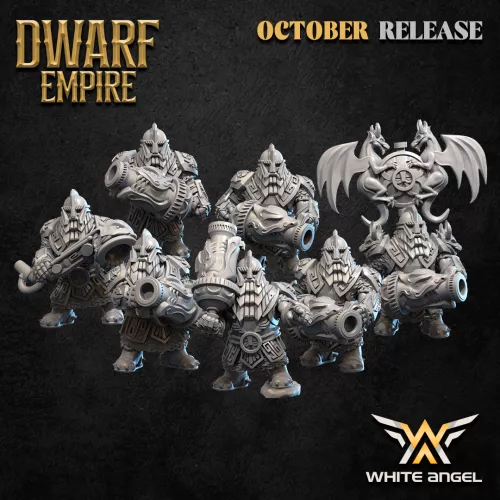
For example, you might find a unit of heavily armoured fantasy dwarfs that you prefer for your Dwarf army, or a range of undead cavalry which fits the theme of your Vampire Counts collection better than another option.
This isn’t a particularly new idea.
Using conversions, older models and miniatures from different manufacturers has been part of fantasy wargaming for decades. The huge number of sculptors and manufacturers now producing excellent fantasy miniatures simply means players have more choice than ever.
What about tournaments?
This is where the answer gets particularly interesting, because the UK tournament scene is generally very welcoming towards alternative miniatures.
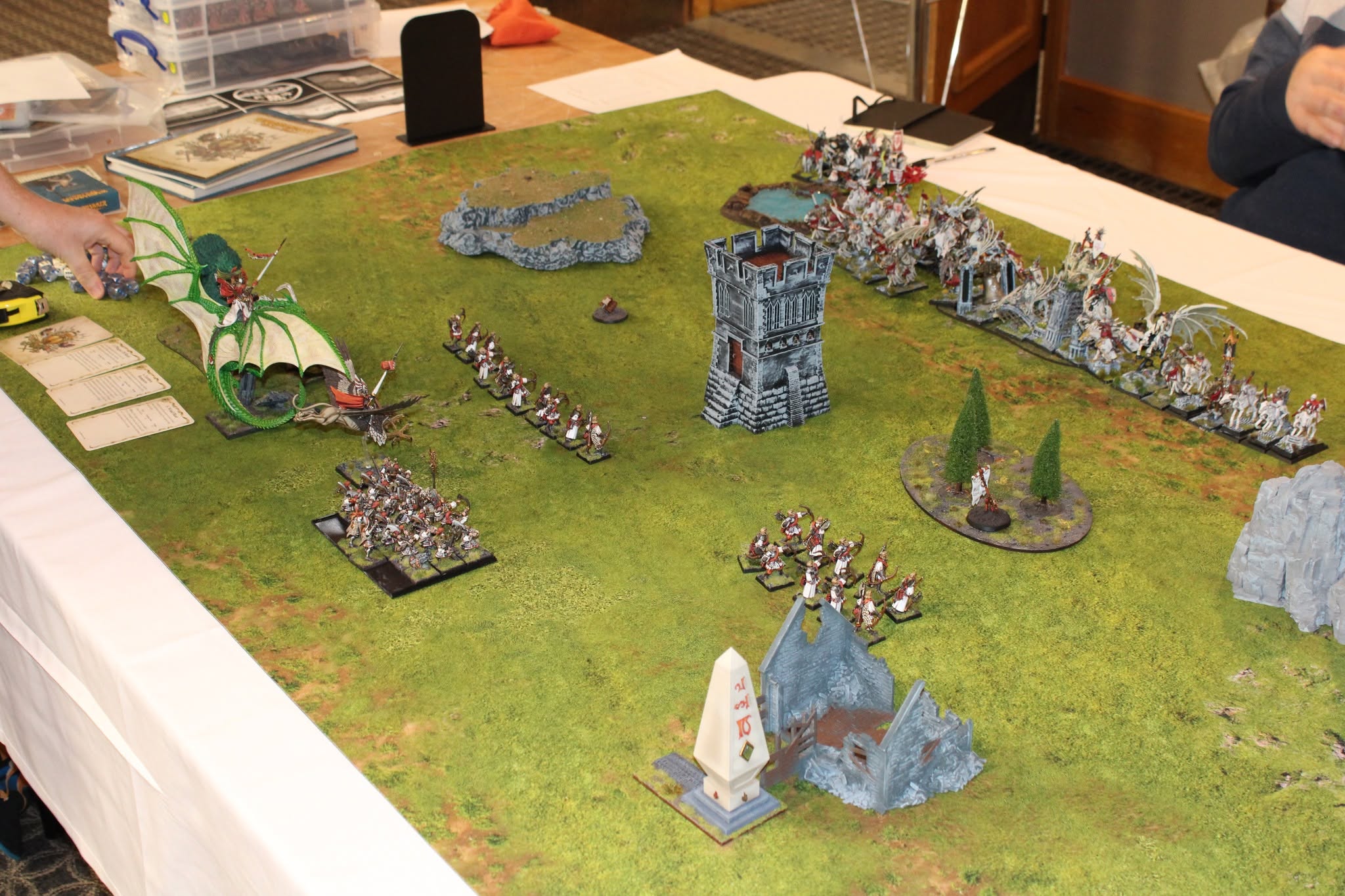
The major independent Warhammer: The Old World tournaments in the UK allow third-party miniatures and 3D prints, provided the models are suitable representations of the units being used.

In fact, UKResinPrint sponsors most of these events, so we’re fortunate enough to see first-hand just how common alternative miniatures have become within the competitive Old World community.
Walk around a large UK tournament and you’ll see armies containing everything from classic Games Workshop miniatures to independent sculpts, conversions and fully 3D printed forces.
For many players, that’s part of the appeal.
It allows people to build armies around a particular theme, find models for units that are difficult to source, or simply choose miniatures they prefer.
You should still always read the tournament pack before attending an event. Individual organisers may have requirements around model size, unit identification, painting standards or particularly unusual proxies.
But in the mainstream UK independent tournament scene, third-party and 3D printed miniatures are very much a normal sight.
Getting the base size right
This is arguably more important to the actual game than who manufactured the miniature.
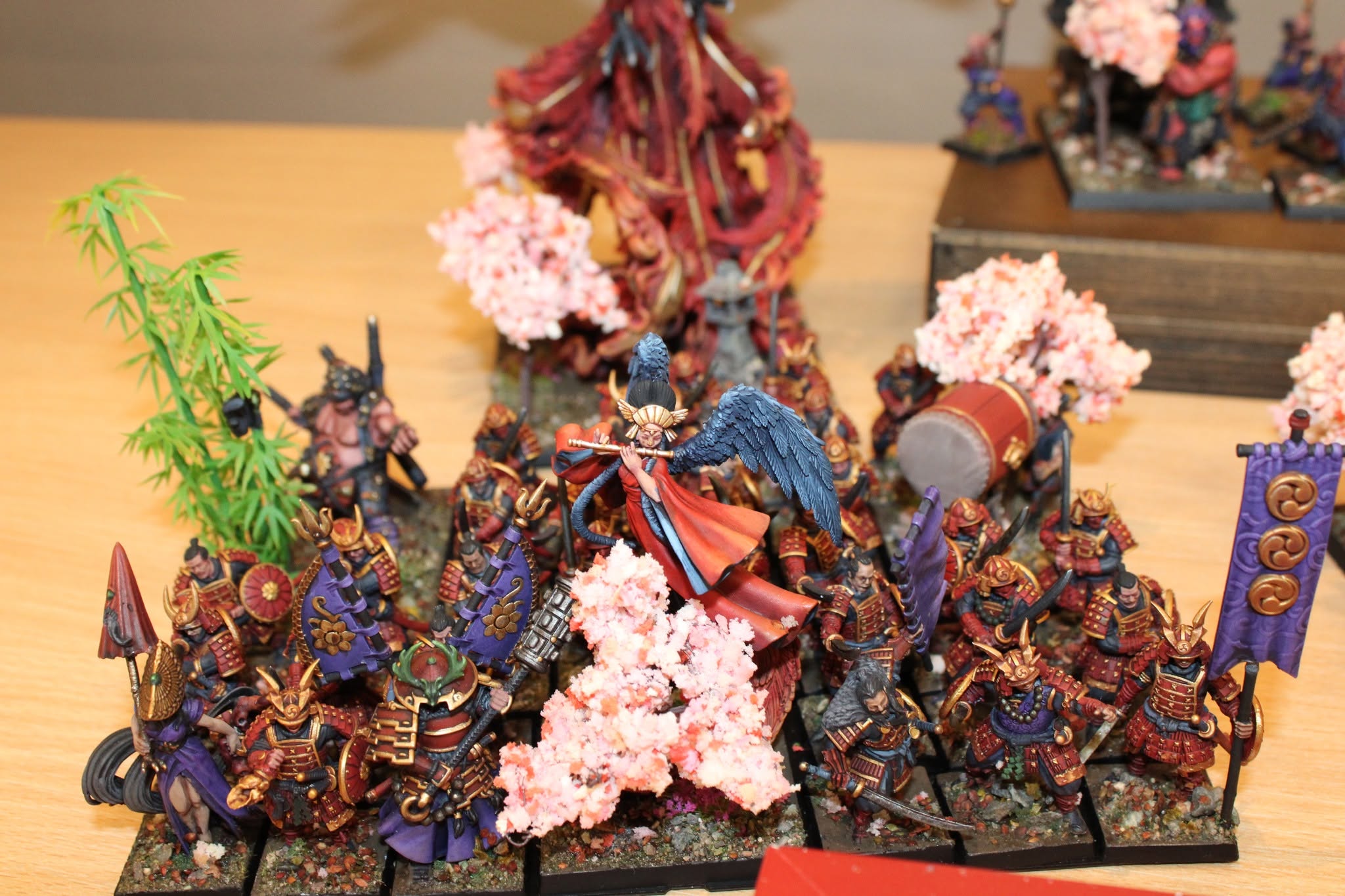
Warhammer: The Old World uses specific base sizes for its units, and the rules assume models have the correct footprint.
That matters because base size can affect things such as:
- How wide a unit is
- How many models can fight
- Movement and manoeuvring
- Templates
- Charging
- How units interact on the battlefield
Fortunately, using alternative miniatures doesn’t make this particularly difficult.
Simply mount them on the correct bases for the unit they’re representing.
Older collections can also often be adapted using movement trays that give the regiment the correct overall footprint rather than rebasing dozens or hundreds of models.
If you’re looking for movement trays, we highly recommend MiniMagTray. They make some of the best low-profile magnetic movement trays we’ve used, and they’re especially good for keeping ranked units neat without adding loads of extra height around the bases.
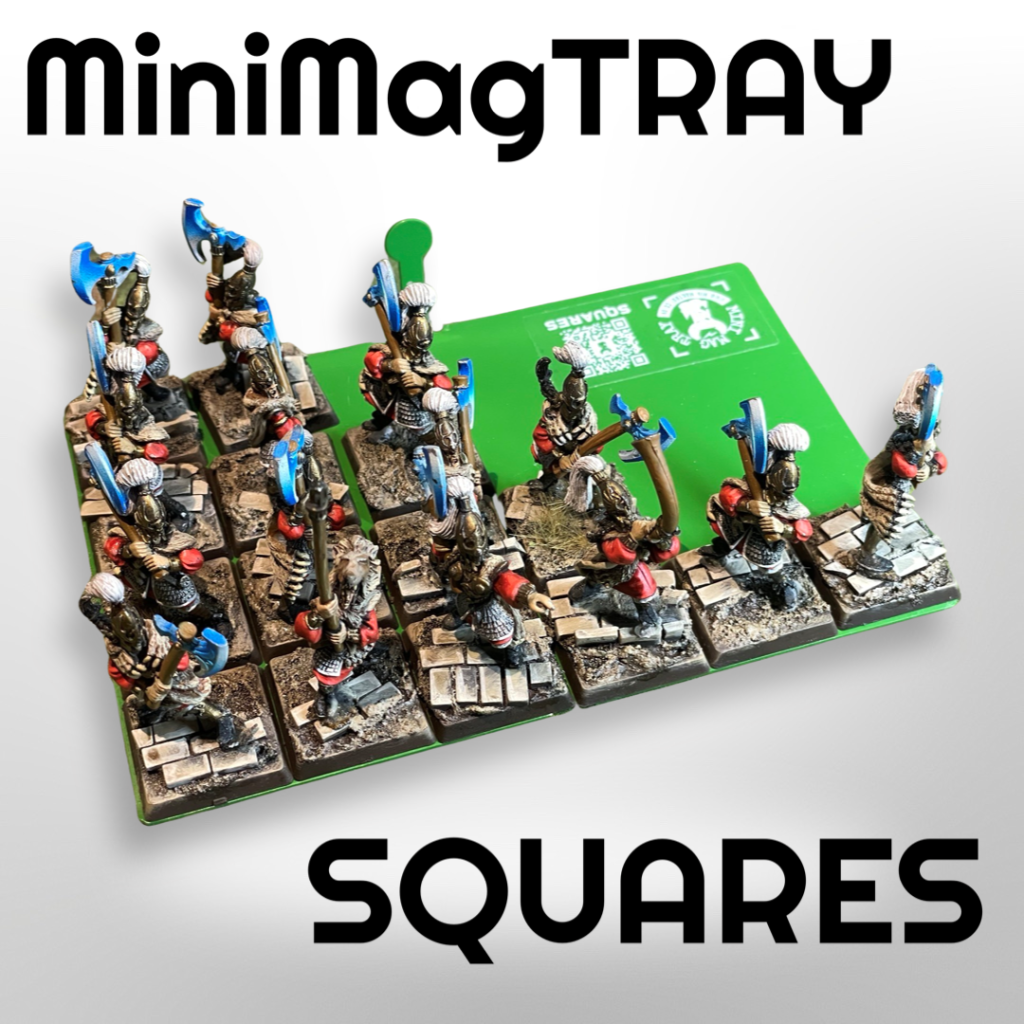
It’s one of the easiest ways to bring an old Warhammer Fantasy army back onto the table.
A character being slightly larger than the rank-and-file rarely causes a problem. In fact, it can look great.
A supposedly ordinary infantryman towering over every Ogre in the army might be a little harder to explain.
If you’re building a complete unit or army from one miniature range, small differences in scale become even less noticeable because the collection remains visually consistent.
Make sure the model represents the unit
You don’t need every miniature to be an exact copy of an official model.
You should, however, try to make its battlefield role obvious.
If a unit is carrying great weapons, modelling them with large two-handed weapons makes sense.
If they’re archers, bows are helpful.
If one cavalry unit has lances while another has hand weapons, being able to distinguish them at a glance makes the game easier for everyone.
Characters offer considerably more freedom.
A wizard can be represented by almost any suitably magical-looking character. A general gives you an opportunity to find a miniature which really captures the personality of your army.
This is one of the areas where alternative miniatures can actually improve an army.
Instead of choosing a model simply because it is the only option available, you can choose one because it fits the story you’re trying to tell.
Building a visually consistent army
This is probably the biggest piece of advice we’d give anyone using miniatures from several manufacturers.
Think about the army as a whole.
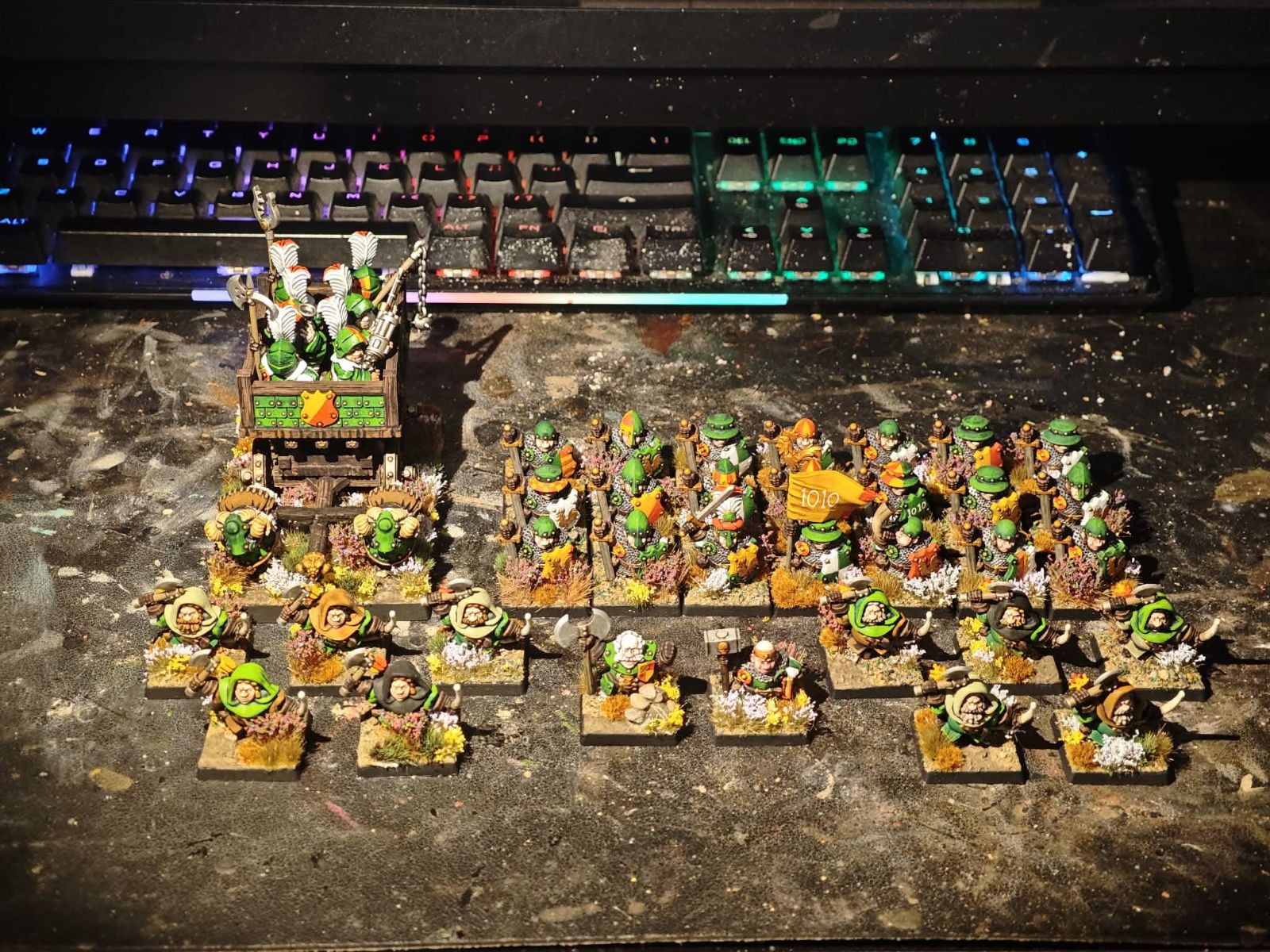
There are hundreds of excellent fantasy miniature ranges available, but that doesn’t necessarily mean models from all of them will look good together.
Sculpting style, proportions, weapons, armour and clothing can vary enormously.
Before mixing several ranges, look at things like:
- Head and hand proportions
- Armour style
- Weapon size
- Height
- Overall level of detail
- How exaggerated or realistic the sculpting style is
Paint can then do a huge amount of work tying everything together.
Consistent basing, shields, colours and unit markings can make models from several different ranges feel like part of the same army.
Alternative miniatures are also great for missing units
This is one of the biggest reasons we use and sell alternative miniatures ourselves.
Fantasy army lists often contain units or characters that either don’t currently have an obvious official miniature or where the available model doesn’t quite fit the army somebody wants to build.
That’s where the wider miniature hobby really comes into its own.
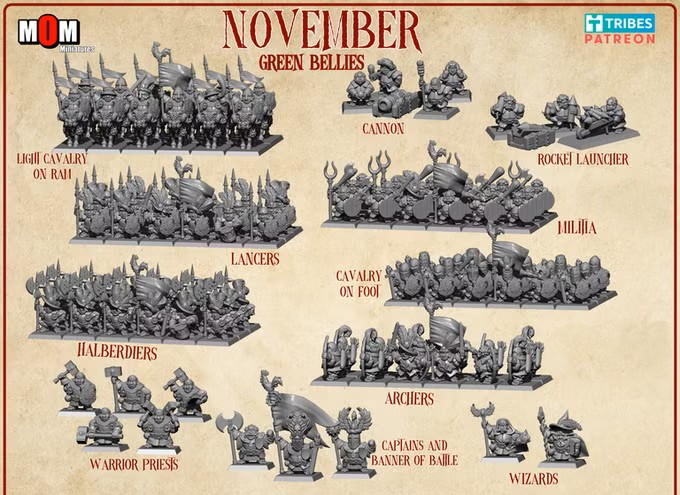
There are sculptors creating everything from classic rank-and-file troops to monsters, war machines, unusual cavalry and extremely specific character concepts.
With ranges covering dozens of fantasy factions, there’s a good chance you’ll find an alternative for the unit you’re looking for.
- Use the correct bases.
- Make it clear what your units represent.
- Check the rules of the events and venues you’re attending.
- And build an army you’re actually excited to paint and play with.
There have never been more fantasy miniatures available to hobbyists.
You might as well enjoy them.
Looking for alternative miniatures for The Old World?
At UKResinPrint, we print a growing range of fantasy miniatures from independent sculptors, covering infantry, cavalry, characters, monsters, war machines and complete army options.
We also support a number of the UK’s major Old World events, so we’re very familiar with the armies, models and alternative ranges appearing on tournament tables around the country.
Whether you’re looking for a single hard-to-find unit or building an entire army, have a look through our ranges — you might find exactly what you need.
